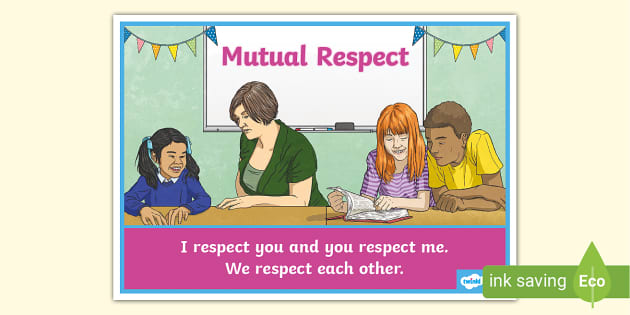
The Importance of Mutual Respect in Reconciliation
Okay, let's talk about something really important: reconciliation. We hear this word thrown around a lot, especially when dealing with conflict, whether it's between individuals, families, communities, or even nations. But what does it *really* mean, and how can we make sure it's genuine and lasting? The short answer? Mutual respect is the cornerstone.
Without it, any attempt at reconciliation is likely to be a band-aid solution, destined to fall apart at the first sign of stress. Think of it like building a house on a shaky foundation â€" it might look good at first, but it's not going to last.
What is Mutual Respect, Anyway?
Mutual respect isn't just about being polite. It's not about pretending everything is okay when it's clearly not. It's a much deeper concept that involves recognizing the inherent worth and dignity of the other person or group, even when you disagree with them fundamentally. It means:
- Active listening: Truly hearing what the other person is saying, without interrupting or judging.
- Empathy: Trying to understand their perspective, even if you don't agree with it. Walking a mile in their shoes, so to speak.
- Valuing their contributions: Acknowledging their strengths, skills, and experiences, even if they differ from your own.
- Honest communication: Expressing your thoughts and feelings openly and honestly, but respectfully.
- Setting healthy boundaries: Knowing your limits and communicating them clearly, while respecting the other person's boundaries as well.
- Forgiveness (where appropriate): This isn't about condoning harmful actions, but about releasing the anger and resentment that hold you back from moving forward. It's a personal journey, not a demand.
It's a two-way street. Mutual respect means both sides are actively working towards understanding and acknowledging each other's value. It's not about one side "giving in" or "being nice" â€" it's about a genuine effort to build a healthier relationship.
Why is Mutual Respect Crucial for Reconciliation?
Let's be real, reconciliation is hard work. It requires vulnerability, honesty, and a willingness to change. Without mutual respect, the process becomes a battleground, where each side is trying to win, rather than find common ground. Here's why mutual respect is so critical:
It fosters trust
Trust is the bedrock of any healthy relationship. When you show respect, you demonstrate that you value the other person's feelings and opinions. This builds trust, making it easier to have open and honest conversations â€" crucial for any successful reconciliation.
It allows for genuine healing
Healing from conflict takes time. Mutual respect creates a safe space for both sides to process their emotions, acknowledge their pain, and work towards healing. Without this safe space, old wounds will likely fester and resurface, hindering the reconciliation process.
It encourages collaboration
Reconciliation isn't about one person dictating the terms. It's about finding solutions that work for everyone involved. Mutual respect encourages collaboration and compromise, leading to more sustainable and equitable outcomes.
It prevents future conflict
When you address the root causes of conflict with mutual respect, you're more likely to prevent similar problems from arising in the future. A respectful dialogue can help identify underlying issues and develop strategies for conflict resolution, establishing a healthier dynamic.
Examples of Mutual Respect in Action
Let's look at some real-world examples to illustrate the power of mutual respect in reconciliation:
- A couple working through infidelity: Genuine reconciliation requires both partners to acknowledge the pain caused, take responsibility for their actions, and actively work to rebuild trust through honest communication and consistent effort.
- Families dealing with a difficult family member: Establishing boundaries and expectations respectfully, while still acknowledging the importance of family connections, allows for a healthier relationship, even if disagreements remain.
- Communities recovering from conflict: Truth and reconciliation commissions often focus on providing a space for victims to share their stories and for perpetrators to acknowledge their wrongdoing, facilitating a process of mutual understanding and healing.
- Nations striving for peace after war: Negotiations based on mutual respect for sovereignty, human rights, and shared values are essential for creating lasting peace agreements.
Challenges to Achieving Mutual Respect
Let's not sugarcoat it: achieving mutual respect, especially after a significant conflict, can be incredibly challenging. There might be deeply ingrained biases, unresolved trauma, or a history of abuse that makes it difficult to trust or empathize. Some common obstacles include:
- Past hurts and traumas: These can cloud judgment and make it difficult to see the other person as anything other than an aggressor.
- Power imbalances: When one party holds significantly more power, it can be difficult to foster true equality and mutual respect.
- Lack of communication skills: Inability to express needs and feelings effectively can lead to misunderstandings and escalation of conflict.
- Resistance to change: People may resist acknowledging their role in the conflict or making necessary changes to their behavior.
Overcoming these challenges often requires professional help, such as therapy or mediation, to guide the parties involved toward a more constructive path.
Frequently Asked Questions
Q: Isn't forgiveness a requirement for reconciliation?
A: Forgiveness is a personal journey, not a requirement for reconciliation. While it can be a powerful catalyst for healing, it's okay if someone isn't ready or able to forgive. Reconciliation focuses on creating a healthier relationship, regardless of whether forgiveness occurs.
Q: What if the other person isn't willing to participate in the reconciliation process?
A: Unfortunately, you can't force someone to reconcile. You can focus on your own healing and self-respect, while setting healthy boundaries to protect yourself. It's important to remember that you deserve to be treated with respect, even if the other person isn't capable of providing it.
Q: How long does reconciliation take?
A: There's no set timeframe. It depends on the severity of the conflict, the willingness of all parties involved, and the support systems available. It's a process, not a destination, and progress may not be linear.
Q: Where can I find help with reconciliation?
A: Many resources are available, including therapists, mediators, support groups, and religious leaders. Depending on the nature of the conflict, you might also find help from community organizations or legal professionals.
In conclusion, while reconciliation is a challenging endeavor, mutual respect acts as the crucial compass guiding the journey toward healing, understanding, and ultimately, a more positive and sustainable future.
0 comments:
Post a Comment
Note: Only a member of this blog may post a comment.